Ban Risks Often Stem from the Wrong Spoofing Tools—Not the Act of Spoofing Itself
If you frequent Pokémon GO communities, you have likely seen these panicked threads:
- “I only teleported once—why was I banned?”
- “I only caught a few Pokémon before my account was flagged. Is Niantic cracking down again?”
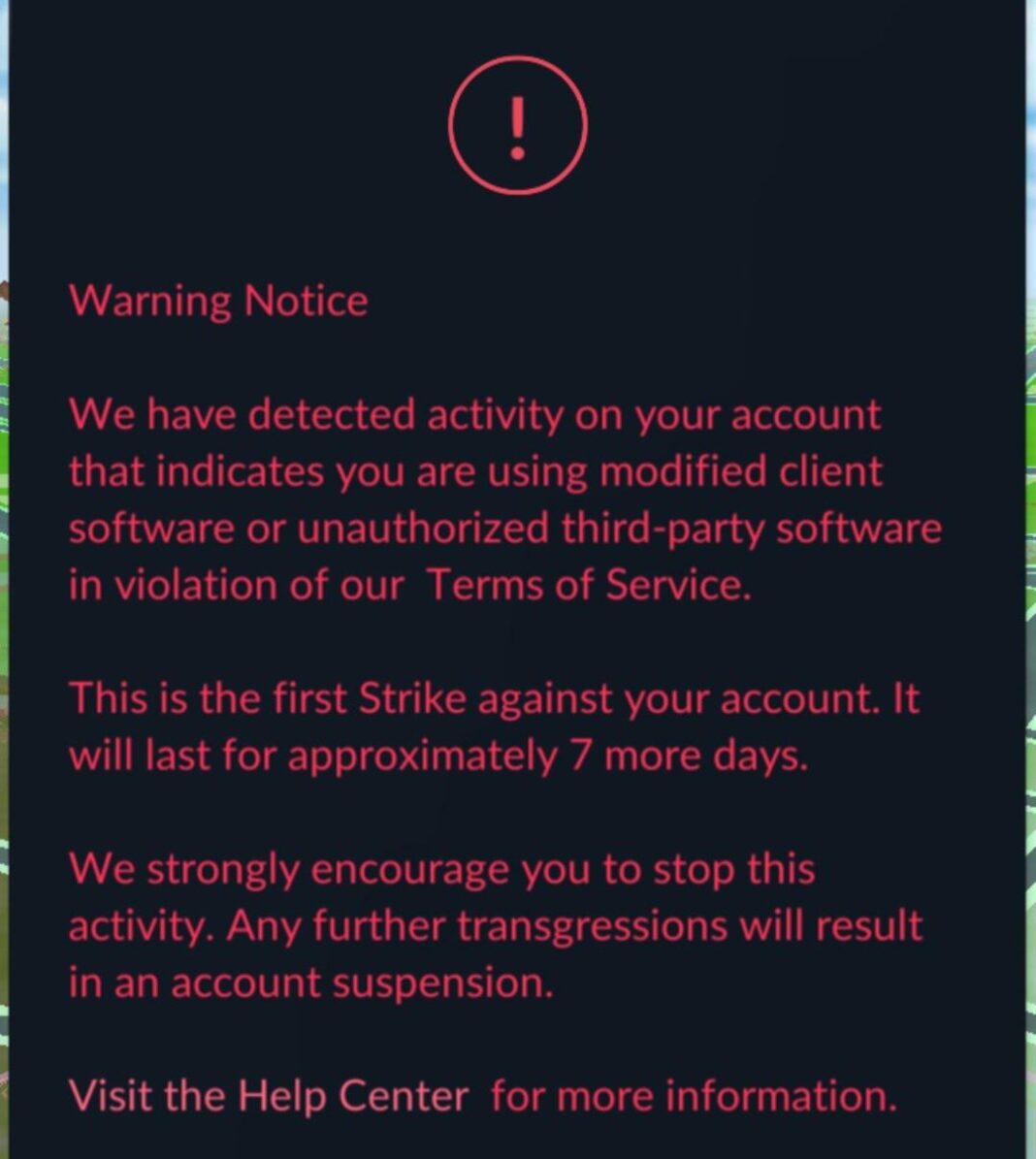
These stories lead many players to a frustrating conclusion: “If you use spoofing tools, you will eventually be banned.”
However, if you analyze enough community cases, a clear fact emerges: Most bans are not caused by the act of spoofing your location, but by using the “Wrong Spoofing Tools.”
What is Niantic Actually Detecting?
In the early days, Niantic’s security focused primarily on location behavior, such as whether a player was “teleporting” across cities or countries instantly.
As their anti-cheat systems have evolved, the focus has shifted. Niantic is now much more concerned with whether you are using a modified or “injected” version of the Pokémon GO client. In other words, the type of tool you use has become more important than your specific in-game behavior.
The Danger of “Modded” Pokémon GO Apps
Why do so many bans originate from modified versions of the game (often called Mod APKs or Mod IPAs)?
The issue isn’t the features they offer, but how they function:
- They directly modify the core Pokémon GO app.
- They compromise the integrity of the official client.
- They use unofficial signatures and injected code.
Because of these factors, Niantic does not need to “analyze your behavior” to catch you. They can instantly identify that you are not using the official app. This explains why some players are banned even after they stop spoofing and return to the official version—the “red flag” was already placed on their account history.
A truly safe, long-term solution will never modify the Pokémon GO client itself.
Understanding the Cooldown Rule
Before discussing how to spoof safely, we must clarify Cooldowns—the most misunderstood part of location spoofing.
- More info about Cooldown Rule: https://wiki.iflowgo.com/en/pokemon-go-faq
A Cooldown is the minimum amount of time you must wait after changing your location before performing an action like catching a Pokémon, spinning a PokéStop, or entering a Gym. This wait time is determined solely by distance:
- Short distances: Require a very short wait.
- Long distances (Cross-city/country): Can require up to a 2-hour wait.
If you interact with the game before the cooldown ends, you may experience a “Soft Ban.” During a Soft Ban, Pokémon will always flee, and PokéStops will not drop items. It is important to note that a Soft Ban is a temporary behavioral restriction, not a permanent account ban.
iFlowGo: The Key to 100% Safe Spoofing
The experienced community has reached a clear consensus: The safest way to spoof is to use the official, unmodified Pokémon GO app.
This is exactly where iFlowGo fits into the safety ecosystem. iFlowGo is designed to provide a 100% safe experience by:
- Running exclusively with the official Pokémon GO client.
- Simulating location changes via Bluetooth, ensuring the movement logic matches that of a real device.
- Never modifying or injecting code into the game.
Summary
- Most bans are caused by modified apps, not the act of spoofing.
- Niantic’s primary target is the use of third-party, “cracked” clients.
- The risk lies in the illegality of the client software, not the GPS coordinates.
- Using the official Pokémon GO app combined with Bluetooth-based location simulation, like iFlowGo, is the only sustainable and 100% safe direction for spoofing today.